Alexander the Great
King of Macedonia · King · Military commander
356–323 BCE · Born in Pella, Macedonia · 3 min read
- Verified: 13 November 2026
- Sources: 4
- Independently reviewed
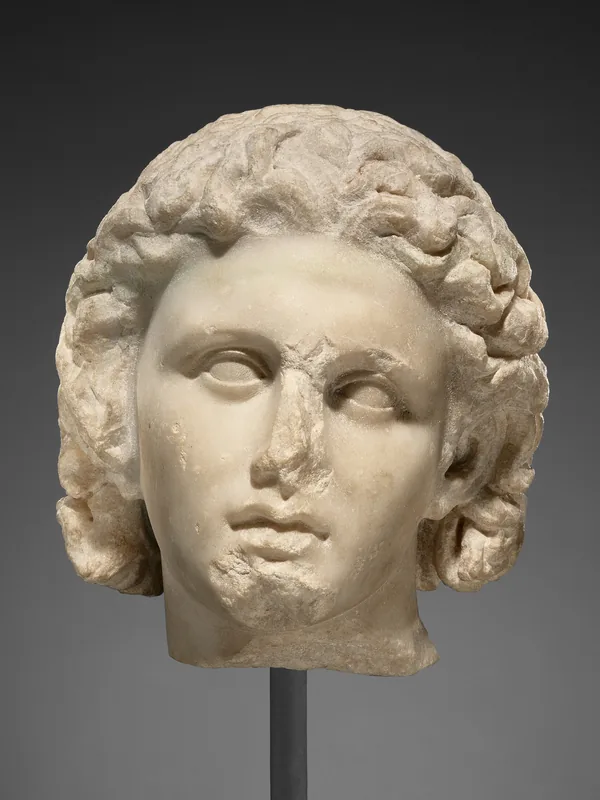

King of Macedonia (356–323 BCE) who in thirteen years built one of the largest empires of the ancient world, from Greece to Egypt and north-western India, spreading Greek culture across three continents.
Early Life
Alexander was born in 356 BCE at Pella, the capital of Macedonia, the son of King Philip II and Olympias, daughter of the king of Epirus. From about 343 BCE, when he was 13, he was tutored by the philosopher Aristotle, with companions who later became his generals. He commanded the left wing of the Macedonian army at the Battle of Chaeronea in 338 BCE, when he was 18, and became king two years later when his father was assassinated.
Education
Alexander was tutored by the philosopher Aristotle from about 343 BCE until he was 16, studying with the sons of Macedonian nobles who later became his generals. Ancient accounts say he carried a copy of Homer's Iliad, edited by Aristotle, with him on campaign.
Career
Alexander became king of Macedonia in 336 BCE, at the age of 20, after the assassination of his father, Philip II. He first secured Greece and the Balkans, then crossed into Asia in the spring of 334 BCE and defeated the Persians at the Granicus River. He won the Battle of Issus in 333 BCE, took Tyre after a seven-month siege and entered Egypt in 332 BCE, where he was crowned pharaoh. He founded Alexandria in Egypt the following year. At Gaugamela in 331 BCE he defeated Darius III a second time and took Babylon, Susa and Persepolis. He pursued Darius to his death in 330 BCE, married Roxana of Bactria in 327 BCE, and invaded India in 326 BCE, defeating King Porus at the Hydaspes River. His troops, exhausted after eight years of campaigning, refused to go further at the Beas River, and he turned back. He reached Babylon in the spring of 323 BCE and died there in June, after a short illness, without naming a clear successor. His generals, the Diadochi, divided the empire among themselves.
Achievements
Alexander's achievement was military and political on a scale the ancient world had not seen: in thirteen years he defeated the Persian Empire, took Egypt, Mesopotamia and Persia, and reached the Indus, without losing a battle. He founded cities wherever he went — Alexandria in Egypt is the most famous — and planted Greek settlers, language and institutions across three continents. The kingdoms his generals carved out of his empire after his death, and the mixture of Greek and Near Eastern culture they spread, shaped the Mediterranean and the Near East for three centuries.
- Became king of Macedonia in 336 BCE at the age of 20 and never lost a battle
- Defeated the Persian Empire in a campaign lasting from 334 to 330 BCE, taking Egypt, Babylon, Susa and Persepolis
- Founded the city of Alexandria in Egypt, and many other cities across his empire
- Built one of the largest empires of the ancient world, stretching from Greece to north-western India
- Carried Greek language, art and city life across three continents, opening the Hellenistic age that followed his death
Legacy
Alexander's death in 323 BCE is the conventional beginning of the Hellenistic period, the three centuries in which Greek culture dominated the eastern Mediterranean and the Near East. Alexandria became one of the great cities of the ancient world and a centre of learning. His campaigns are still studied in military academies, and he remains the archetype of the conqueror in history and literature — a figure as much of myth as of fact, since most of the surviving accounts were written centuries after his death.
Contributions
Alexander's conquests joined the Greek and Near Eastern worlds. Greek language, art, coinage and city life spread from Egypt to Central Asia, and the Hellenistic kingdoms that followed his death carried that mixture for three centuries. His campaigns are still studied as a model of speed, surprise and the use of a combined-arms army.
Milestones
- 356 BCE — Born at Pella, Macedonia, son of Philip II and Olympias Source: Encyclopaedia Britannica
- 343 BCE — Began his education under Aristotle, aged about 13 Source: Encyclopaedia Britannica
- 338 BCE — Commanded the left wing at the Battle of Chaeronea, aged 18 Source: Encyclopaedia Britannica
- 336 BCE — Became king of Macedonia at the age of 20 Source: Encyclopaedia Britannica
- 334 BCE — Crossed into Asia; defeated the Persians at the Granicus River Source: Encyclopaedia Britannica
- 333 BCE — Defeated Darius III at the Battle of Issus Source: Encyclopaedia Britannica
- 332 BCE — Took Tyre and entered Egypt; crowned pharaoh Source: Encyclopaedia Britannica
- 331 BCE — Founded Alexandria in Egypt Source: Encyclopaedia Britannica
- 331 BCE — Defeated Darius III at Gaugamela; took Babylon, Susa and Persepolis Source: Encyclopaedia Britannica
- 326 BCE — Defeated King Porus at the Hydaspes River in India Source: Encyclopaedia Britannica
- 323 BCE — Died at Babylon after a short illness; the empire was divided among his generals Source: Encyclopaedia Britannica
Timeline
- 356 BCE
Born at Pella, Macedonia, son of Philip II and Olympias
Approximate date Source: Encyclopaedia Britannica - 343 BCE
Began his education under the philosopher Aristotle, aged about 13
Approximate date Source: Encyclopaedia Britannica - 338 BCE
Commanded the left wing at the Battle of Chaeronea, aged 18
Approximate date Source: Encyclopaedia Britannica - 336 BCE
Became king of Macedonia on the assassination of Philip II
Approximate date Source: Encyclopaedia Britannica - 334 BCE
Crossed into Asia and defeated the Persians at the Granicus River
Approximate date Source: Encyclopaedia Britannica - 333 BCE
Defeated Darius III at the Battle of Issus
Approximate date Source: Encyclopaedia Britannica - 332 BCE
Took Tyre and entered Egypt; crowned pharaoh
Approximate date Source: Encyclopaedia Britannica - 331 BCE
Founded Alexandria in Egypt
Approximate date Source: Encyclopaedia Britannica - 331 BCE
Defeated Darius III at Gaugamela; took Babylon, Susa and Persepolis
Approximate date Source: Encyclopaedia Britannica - 326 BCE
Defeated King Porus at the Hydaspes River in India; troops refused to go further at the Beas
Approximate date Source: Encyclopaedia Britannica - 323 BCE
Died at Babylon after a short illness; his empire was divided among his generals, the Diadochi
Approximate date Source: Encyclopaedia Britannica
Related Personalities
Frequently Asked Questions
Who was Alexander the Great?
Alexander the Great (356–323 BCE) was king of Macedonia from 336 BCE until his death. In thirteen years of campaigning he defeated the Persian Empire and built one of the largest empires of the ancient world, stretching from Greece to Egypt and north-western India.
Source: Encyclopaedia BritannicaHow did Alexander the Great die?
Alexander died in Babylon in June 323 BCE, after a short illness, aged 32 (some sources say 33). The cause of his death is unknown — malaria, typhoid fever, poisoning and heavy drinking have all been proposed — and he left no clear successor, so his generals divided the empire among themselves.
Source: Encyclopaedia Britannica ; Wikipedia (Alexander the Great)Which battles did Alexander win?
Alexander won his decisive victories against the Persians at Granicus in 334 BCE, at Issus in 333 BCE and at Gaugamela in 331 BCE. By 326 BCE he had reached the Indus Valley, and he also founded Alexandria in Egypt.
Source: Encyclopaedia BritannicaDid Alexander found Alexandria?
In 332 BCE, during his campaign in Egypt, Alexander founded a new city on the Mediterranean coast and named it after himself. Alexandria became one of the greatest cities of the ancient world, famous for its lighthouse and its library, and it is still the second-largest city of Egypt.
Source: Encyclopaedia BritannicaWas Alexander taught by Aristotle?
Aristotle tutored Alexander from about 343 BCE, when the prince was 13, until he was 16. Ancient accounts say Alexander carried a copy of Homer's Iliad, edited by Aristotle, with him on campaign, and the two later fell out over Alexander's policies in Asia.
Source: Encyclopaedia Britannica ; Wikipedia (Alexander the Great)Sources & References
- Alexander the Great — Encyclopaedia Britannica — Encyclopaedia Britannica (accessed 12 November 2026)
- Conquests of Alexander the Great, 334 BCE–323 BCE — Encyclopedia.com — Encyclopedia.com (accessed 12 November 2026)
- Alexander the Great — Wikipedia (cross-check) — Wikipedia (accessed 12 November 2026)
- File:Portrait of Alexander the Great - Getty Museum (73.AA.27).jpg — Wikimedia Commons (portrait file page) — Wikimedia Commons (accessed 12 November 2026)